How Telepsychiatry Staffing Helps Clinics Expand Ketamine Treatment Programs

Launching a ketamine treatment program involves more than purchasing equipment or preparing a treatment room. Outpatient facilities need qualified psychiatric professionals to evaluate patients, determine treatment suitability, and provide ongoing clinical oversight. For organizations without an in-house psychiatrist, a psychiatry staffing network can provide access to specialized expertise while allowing the clinic to maintain its existing operations and patient relationships.
This approach is particularly relevant for healthcare facilities exploring ketamine and esketamine services for patients with treatment-resistant depression. Rather than developing an entirely separate psychiatric department, clinics can integrate remote specialists into their established care teams.
Why Ketamine Programs Need Psychiatric Expertise
Ketamine-based treatments have attracted attention as potential options for certain patients whose depressive symptoms have not responded adequately to conventional therapies.
However, an important medical distinction exists. Esketamine nasal spray has FDA approval for specified depression-related indications, while ketamine itself is FDA-approved as an anesthetic. Its use for depression remains off-label.
Regardless of the treatment pathway, careful patient selection and medical supervision are essential.
A psychiatric evaluation typically considers:
- the patient’s diagnosis and previous treatment history;
- potential contraindications and relevant medical conditions;
- current medications and possible interactions;
- psychiatric symptoms and overall clinical risk;
- the suitability of the proposed treatment and follow-up plan.
These responsibilities require more than a brief screening appointment. Clinics also need a clear process for documenting clinical decisions, coordinating treatment, and assessing patient progress.
How Virtual Psychiatric Staffing Works
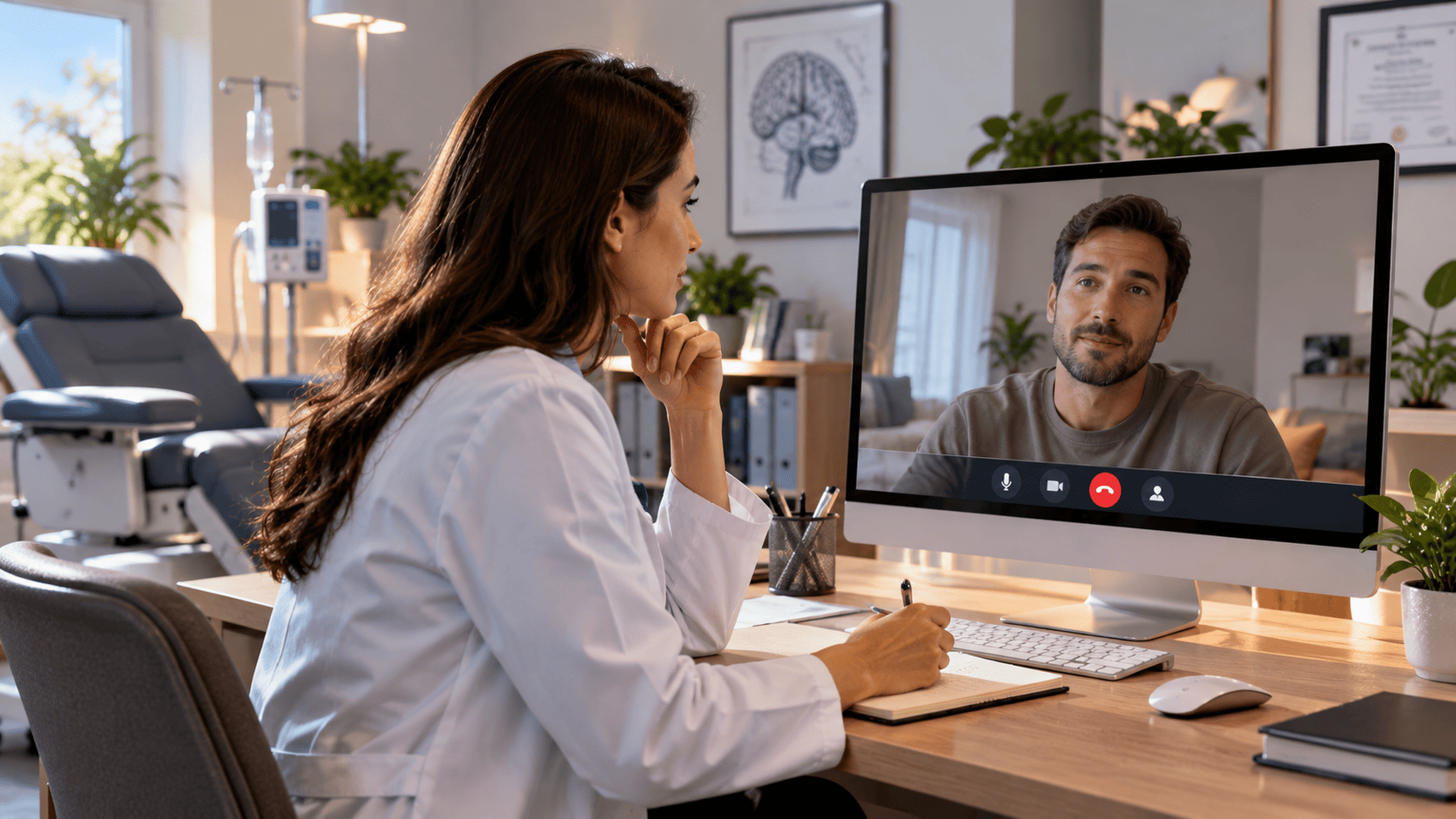
Telepsychiatry allows patients to meet qualified psychiatric professionals through secure two-way video consultations. In a coordinated clinic model, the remote provider handles appropriate psychiatric responsibilities while the on-site medical team manages procedures requiring physical presence.
FasPsych specializes in connecting healthcare organizations with psychiatrists and psychiatric nurse practitioners through telemedicine. Its services support hospitals, outpatient clinics, residential treatment facilities, correctional institutions, university counseling centers, and other organizations requiring psychiatric coverage.
Supporting Ketamine Clinics Without Building a New Department
For outpatient facilities, specialized staffing for ketamine clinics can help establish psychiatric evaluation, treatment planning, medication management, and follow-up services.
FasPsych clinicians can assess patients remotely and coordinate with local healthcare professionals. When clinically appropriate and legally permitted, prescribing support may also be incorporated into the treatment program.
The clinic remains responsible for the required physical supervision, administration procedures, and patient monitoring. For example, Spravato must be administered in a certified healthcare setting under the applicable REMS requirements.
This division of responsibilities allows organizations to use telemedicine for suitable clinical tasks without treating virtual consultations as a replacement for necessary in-person care.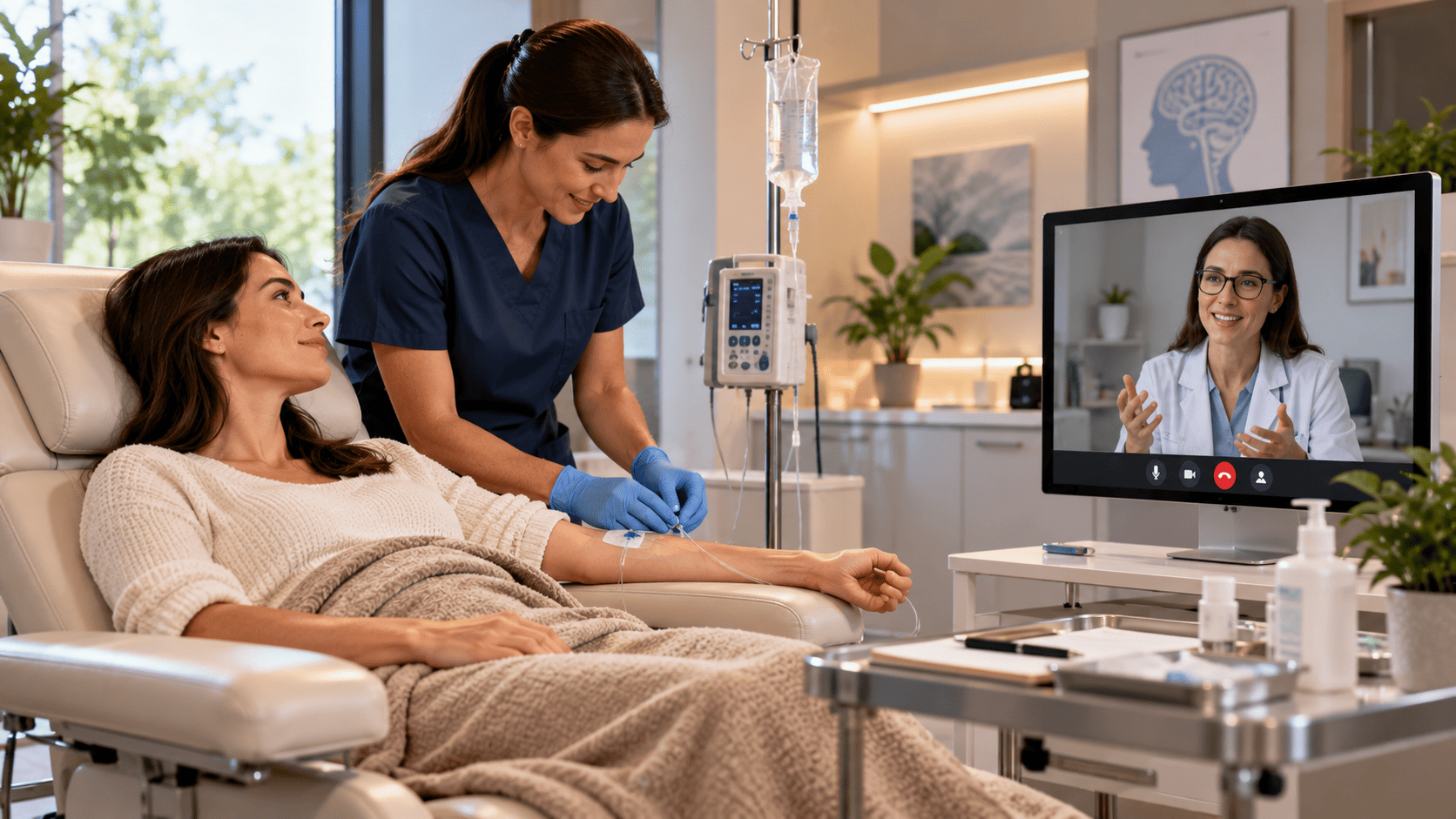
Building a Coordinated Treatment Process
The effectiveness of a hybrid treatment program depends on communication between remote clinicians and the medical staff working directly with patients.
Before introducing the service, outpatient facilities should establish a consistent workflow:
- Initial assessment. A psychiatric professional evaluates the patient’s history, diagnosis, and potential eligibility.
- Treatment planning. The clinician develops recommendations and coordinates appropriate prescribing decisions.
- On-site care. Qualified local staff provide treatment administration and required observation.
- Follow-up appointments. Psychiatric providers assess treatment response, side effects, and ongoing care needs.
- Clinical documentation. Both teams maintain accessible records and communicate relevant changes.
A clearly defined process helps reduce fragmented care and ensures that everyone understands their responsibilities.
Choosing a Telepsychiatry Partner
Not every telemedicine provider offers the same services. Some organizations primarily operate independent virtual clinics, while others provide psychiatric professionals who integrate into an existing healthcare facility.
When comparing telepsychiatry companies, administrators should consider clinical experience, licensing, availability, continuity of care, and familiarity with specialized treatment programs.
For a ketamine clinic, the ability to coordinate with on-site personnel is especially important. Remote professionals must understand the facility’s monitoring procedures, documentation requirements, and patient referral process.
FasPsych uses a staffing partnership model designed to help healthcare organizations add psychiatric expertise without transferring control of their existing clinical programs.
A Flexible Approach to Specialized Mental Healthcare
Recruiting a permanent psychiatrist may not be practical for every outpatient facility, particularly when patient volume is still developing. Virtual staffing creates an alternative in which psychiatric coverage can be organized around actual clinical needs.
For ketamine treatment programs, this flexibility can support initial evaluations, ongoing medication management, and communication between treatment sessions.
The central objective is not simply to increase appointment availability. It is to establish a coordinated system in which qualified psychiatric professionals and on-site clinicians work together while maintaining appropriate clinical standards.
By combining remote psychiatric expertise with established local medical services, healthcare organizations can explore specialized treatment programs without unnecessarily duplicating their existing infrastructure.